Home PageAbout MindatThe Mindat ManualHistory of MindatCopyright StatusWho We AreContact UsAdvertise on Mindat
Donate to MindatCorporate SponsorshipSponsor a PageSponsored PagesMindat AdvertisersAdvertise on Mindat
Learning CenterWhat is a mineral?The most common minerals on earthInformation for EducatorsMindat ArticlesThe ElementsThe Rock H. Currier Digital LibraryGeologic Time
Minerals by PropertiesMinerals by ChemistryAdvanced Locality SearchRandom MineralRandom LocalitySearch by minIDLocalities Near MeSearch ArticlesSearch GlossaryMore Search Options
The Mindat ManualAdd a New PhotoRate PhotosLocality Edit ReportCoordinate Completion ReportAdd Glossary Item
Mining CompaniesStatisticsUsersMineral MuseumsClubs & OrganizationsMineral Shows & EventsThe Mindat DirectoryDevice SettingsThe Mineral Quiz
Photo SearchPhoto GalleriesSearch by ColorNew Photos TodayNew Photos YesterdayMembers' Photo GalleriesPast Photo of the Day GalleryPhotography
╳Discussions
💬 Home🔎 Search📅 LatestGroups
EducationOpen discussion area.Fakes & FraudsOpen discussion area.Field CollectingOpen discussion area.FossilsOpen discussion area.Gems and GemologyOpen discussion area.GeneralOpen discussion area.How to ContributeOpen discussion area.Identity HelpOpen discussion area.Improving Mindat.orgOpen discussion area.LocalitiesOpen discussion area.Lost and Stolen SpecimensOpen discussion area.MarketplaceOpen discussion area.MeteoritesOpen discussion area.Mindat ProductsOpen discussion area.Mineral ExchangesOpen discussion area.Mineral PhotographyOpen discussion area.Mineral ShowsOpen discussion area.Mineralogical ClassificationOpen discussion area.Mineralogy CourseOpen discussion area.MineralsOpen discussion area.Minerals and MuseumsOpen discussion area.PhotosOpen discussion area.Techniques for CollectorsOpen discussion area.The Rock H. Currier Digital LibraryOpen discussion area.UV MineralsOpen discussion area.Recent Images in Discussions


Fakes & FraudsGlued Dioptase ?

6th Jun 2011 13:56 UTCAndrea Sansoni
6th Jun 2011 14:30 UTCMaggie Wilson Expert

6th Jun 2011 16:06 UTCSteve Hardinger 🌟 Expert
6th Jun 2011 17:55 UTCWayne Corwin
If you don't mind the crystal comming off , , you can try soaking it in acetone.
Then you will know for sure, you can always re epoxy it back on.
Wayne
6th Jun 2011 21:34 UTCAnonymous User
7th Jun 2011 09:28 UTCAndrea Sansoni
Anyway, yes it is Dioptase not Zircon, and I don't want to soak it acetone because I want to send it back to the dealer if it is glued.
8th Jun 2011 14:13 UTCAndrea Sansoni
8th Jun 2011 16:01 UTCSteve Hardinger 🌟 Expert
8th Jun 2011 16:30 UTCsteven garza
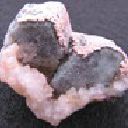
Only the xl w/the fluorescent ring is glued on; the rest are authentic. I don't think it's simply a repair; the piece looks a LOT better (to an unsuspecting buyer), with that xl standing up, when nonje fp the others are doing so. I say THAT xl makes it a "fake".
Your friend, Steve

8th Jun 2011 16:30 UTCJolyon Ralph Founder
Would it be possible for us to use these photos in future on this site to help educate other people how to spot such fakes? I'd be very grateful!
Jolyon

8th Jun 2011 22:05 UTCScott Sadlocha
There was a larger crystal of a secondary mineral on the back of the piece, but nothing looked out of place with it. Finally there was a small spot along the matrix that was shinier than the rest of the matrix around it, like dried glue. I took it under UV, and sure enough, the shiny spot glowed bright. However, nothing at all glowed around the main crystal, or the secondary crystal.
So, I am at a loss as to what exactly was done. Perhaps a stabilized matrix, and a very artfully attached main crystal? I really don't want to say much about it or post photos, so I realize that not much of an opinion can be given. I just wanted to relate my own story and see if anyone had any type of opinion at all. I know the dealer that I bought it from, and I know for a fact that he would not willingly sell something like that. I do know however that dealers have a lot of stock to deal with, and don't honestly have the time to check everything as good as I checked that piece. Also, I can't be 100% certain that something has been done. I guess I could soak it in acetone, but I like the look of the piece whether it is real or fake (the minerals are most likely real, just possibly an enhanced assemblage). Luckily, I didn't pay much for the piece (less than $40 USD), so it is not much of a loss.
Since I am relatively new to collecting, this was my first experience with something like this, and I was a little upset at first, and unsure of how to proceed. I thought perhaps leaving it alone and just labeling the piece as possibly repaired would be fine.

8th Jun 2011 22:34 UTCRob Woodside 🌟 Manager
Most Spanish pyrites are reattached as the tiny white layer between the pyrite and matrix is water soluble (gypsum?). The cubic corners left in the matrix are an open invitation to "improve" the specimen by reattaching a better or bigger xl.
Edit: At the Mindat conference I learned that the white rind on Spanish pyrite is Talc!!! It swells under water and allows the cube to fall out
9th Jun 2011 09:06 UTCAndrea Sansoni
I have looked at it with a good microscope and I can clearly see the glue in some spots, I will try to take photos and post them too.

9th Jun 2011 12:44 UTCDebbie Woolf Manager
:)
9th Jun 2011 13:37 UTCAndrea Sansoni
9th Jun 2011 13:42 UTCAndrea Sansoni
9th Jun 2011 15:17 UTCTimothy Greenland
Caveat Emptor - but I treasure the specimen for the story it tells!
Cheers
Tim
9th Jun 2011 15:18 UTCTimothy Greenland
10th Jun 2011 00:09 UTCAnonymous User
10th Jun 2011 12:29 UTCAndrea Sansoni
15th Jun 2011 00:42 UTCJ. R. Hodel Expert
My first trip to the Tucson show, I was leary of the hotel shows, and so saved my money for the big TGMS show. I had been collecting for 6 or 8 years at that time, and had formed a desire for an emerald on matrix. Not a big gemstone, necessarily, but a green shiny stone on matrix. I visited every dealer on the floor with any gemstones, and saw maybe a dozen for sale in the upper hundreds of dollars...
I saw one for $495 too, as attractive as any, but anywhere from $175-250 less than the others. So I bought the less expensive rock, and enjoyed looking at it as I studied emeralds and gemstones in general.
The next year I bought more at the hotel shows, quite a bit, it was less expensive, and I knew more about it. One thing I bought was a good handheld UV lamp.
So came March, back home, and I tried that UV lamp on rocks I knew were going to glow, and then I started trying it on everything... and there was a little line of bright white glow all around my little emerald!! It was repaired, and that was why it was less than all the others.!!!
I didn't know enough to ask why it was less expensive, and now I do. It must have popped out while being handled, and been stuck right back in.
So live and learn... always ask, always look with the loupe, as close as you can. I still have the specimen, it stands in the show case with the garnets, and tourmalines, and so forth. And I tell most everyone with any interest how I learned about repaired specimens.
JR, in WV
15th Jun 2011 09:25 UTCJolyon Ralph Founder
Without wanting to make you feel even worse, it's quite likely the crystal was found loose and a piece of random matrix was shaped for the crystal to fit into it - they can be quite clever with this, drilling holes so the specimen displays nicely.
Unfortunately this is more lilkely than it just "popping out" and being repaired - if that was the case the glue needed would be minimal and you would be unlikely to see much glue visible in UV.
If you can see a mix of glue and powdered rock around the base of the crystal then it's most likely not be be a restoration or repair but a fake.
Jolyon
15th Jun 2011 09:58 UTCAndrea Sansoni
Anyway maybe it can help feeling better to know that Rock Courier stopped importing Emeralds from Colombia when he realized he could not tell glued ones from the natural crystals on matrix, I remember this from his article About Mineral Collecting published on Mineralogical Record.
8th Jul 2011 16:26 UTCMichel Ambroise
I have seen three pieces on a show here in France, some dealers trade it to the owner and a couple of days after realize that all of them were reglued dioptase on matrix.
The same story happen also two years ago to a friend,
Better pay good attention to too perfect Dioptase....


Mindat.org is an outreach project of the Hudson Institute of Mineralogy, a 501(c)(3) not-for-profit organization.
Copyright © mindat.org and the Hudson Institute of Mineralogy 1993-2024, except where stated. Most political location boundaries are © OpenStreetMap contributors. Mindat.org relies on the contributions of thousands of members and supporters. Founded in 2000 by Jolyon Ralph.
Privacy Policy - Terms & Conditions - Contact Us / DMCA issues - Report a bug/vulnerability Current server date and time: April 24, 2024 20:53:36
Copyright © mindat.org and the Hudson Institute of Mineralogy 1993-2024, except where stated. Most political location boundaries are © OpenStreetMap contributors. Mindat.org relies on the contributions of thousands of members and supporters. Founded in 2000 by Jolyon Ralph.
Privacy Policy - Terms & Conditions - Contact Us / DMCA issues - Report a bug/vulnerability Current server date and time: April 24, 2024 20:53:36